MyHeritage DNA: Mapping Your Roots Through Genetic Testing
MyHeritage DNA: Uncovering Your Heritage in the Digital Age
In recent years, consumer DNA testing has grown from a curiosity to a mainstream method for exploring ancestry, ethnicity, and familial connections. Among the many offerings in this space is MyHeritage DNA, the genetic genealogy arm of the MyHeritage platform, which combines DNA analysis, family tree building, historical records, and photo tools to help users explore their lineage.
What Is MyHeritage DNA?
MyHeritage is a genealogy platform founded in 2003, offering services such as family tree creation, historical record search, and photo enhancement. (Wikipedia) In 2016, MyHeritage launched its DNA testing product, allowing users to send cheek-swab samples from home and receive an ethnicity breakdown plus matches to relatives in its database. (Wikipedia) Over time, the DNA offering expanded to include “Genetic Groups,” and an optional “Health” upgrade, which adds reports on health conditions. (Wikipedia)
How the Process Works
- Order a kit / sample collection
Users purchase a MyHeritage DNA kit, which is typically sent by mail. (MyHeritage Knowledge Base) The sampling is noninvasive: a cheek swab is used to collect the DNA. (MyHeritage Knowledge Base) The collected sample is mailed back to a laboratory for processing. (Genealogy Explained) - Genotyping and analysis
In the lab, the DNA is genotyped, meaning a set of known genetic markers is read. These markers are then compared to reference populations to estimate one’s ethnic composition (an “Ethnicity Estimate”) and to find other users who share segments of DNA (“DNA Matches”). (MyHeritage Knowledge Base) MyHeritage’s Ethnicity Estimate spans dozens of categories and is mapped over more than 2,100 geographic regions. (MyHeritage Knowledge Base) Over time, as the reference databases expand and algorithms improve, the estimated breakdowns may change. (MyHeritage Knowledge Base) - Reporting results
After processing (which may take several weeks), users receive a report showing their “Ethnicity Estimate” and a list of DNA matches (relatives who have also tested). (MyHeritage Knowledge Base) If the user has added the Health upgrade, they also obtain reports on risks for various conditions and carrier-status information. (MyHeritage Knowledge Base)
Alongside providing DNA results, MyHeritage encourages users to integrate their DNA findings with genealogical research: using the historical records and family tree tools to help confirm or deepen their discoveries. (Genealogy Explained) The platform also offers features like Smart Matching, Record Matching, a “Tree Consistency Checker,” and photo/portrait tools (colorizing, animating) to bring ancestral stories to life. (Genealogy Explained)
Key Features & Differentiators
- Detailed Ethnicity Resolution & Genetic Groups
MyHeritage provides fairly fine-grained breakdowns. The Ethnicity Estimate is divided into many possible categories, and the Genetic Groups functionality can narrow origin to more local regions (e.g. to counties or population clusters). (MyHeritage Knowledge Base) - DNA Matching
One of the powerful aspects is matching to other users in the MyHeritage DNA database, which helps users find previously unknown relatives. (sequencing.com) - Genealogical Integration
The strength of MyHeritage lies in coupling DNA results with traditional genealogical tools (trees, historical records, matching algorithms). This integration helps users move beyond percentages and into narrative discovery. (Genealogy Explained) - Photo Tools & Storytelling
MyHeritage includes a suite of photo-related tools: colorizing black-and-white images, improving photo resolution, animating old portraits (Deep Nostalgia™), and building narrative stories (DeepStory). These tools add a sentimental, human dimension to ancestry work. (Genealogy Explained) - Health Upgrade
Not every user opts for the Health add-on, but for those who do, MyHeritage adds genetic risk and carrier-status reports for a number of conditions. (MyHeritage Knowledge Base) - Affordability & Offers
The base DNA kit is priced around US $89, though the company frequently runs promotions or discounts. (DNA Weekly) Because of its pricing and integrated genealogy offerings, many consider MyHeritage a relatively economical choice in the consumer DNA market. (DNA Weekly)
Limitations & Considerations
While MyHeritage DNA offers powerful tools, there are several caveats worth keeping in mind:
- Estimates, not definitive truths
Ethnicity estimates are based on statistical comparisons and reference populations, and they are subject to adjustment as algorithms and data evolve. (MyHeritage Knowledge Base) Two tests from different companies may show different percentages for the same person; that doesn’t mean one is “wrong” but reflects methodological differences. (Vox)
The estimates reflect likely geographic ancestry over many generations, not specific ancestors or precise percentages attributable to individual lines. (MyHeritage Knowledge Base) - Privacy & Data Security
As with all genetic services, privacy is a serious concern. MyHeritage states that users are the sole owners of their DNA data and that data is encrypted. (MyHeritage Knowledge Base) However, the broader industry has faced scrutiny. One widely cited case: a data breach in 2018 exposed email addresses and hashed passwords from ~92 million MyHeritage user accounts, though MyHeritage has asserted that DNA data was not breached. (Wikipedia)
Users should carefully review privacy settings, how opt-ins for research or data sharing are handled, and their rights to delete data. - Database size and matching limitations
The power of matching depends heavily on how many people have tested. If your relatives haven’t tested or are not in the same database, you might get few or distant matches. Also, regions with fewer reference data or underrepresented populations may yield weaker or less precise results. (Nebula Genomics) - Not a medical diagnostic tool
Even with the Health upgrade, these services are not protected by the same regulatory standards as clinical genetic testing. They offer probabilistic risk estimates, not diagnosis. (MyHeritage Knowledge Base) Users should not make major medical decisions solely based on these results.
Comparisons & Market Position
In the competitive landscape, MyHeritage is often compared to services like AncestryDNA, 23andMe, and Family Tree DNA. Some reviews highlight that MyHeritage tends to offer more granular regional breakdowns (thanks to its Genetic Groups) and is among the more affordable options, especially with discounts. (DNA Weekly)
However, other services may have larger databases (which improves matching) or more emphasis on health/trait data (like 23andMe). (DNA Weekly)
Overall, the choice often comes down to tradeoffs: sample size and matching power vs. cost vs. tools and integrations.
Use Cases & Real-World Impact
For many users, MyHeritage DNA has real, emotional impact. People have used it to:
- Fill gaps in family trees or verify suspected ancestry connections
- Reunite biological relatives (adoptees, displaced families)
- Explore ethnic roots, migration stories, or connect to regions they had no previous family history with
- Enhance family storytelling by combining DNA results with photos, historical records, and narrative tools
One notable example: MyHeritage’s DNA Quest initiative donated thousands of DNA kits to help adoptees connect with birth families. (Wikipedia)
Stories abound of long-lost siblings or relatives reunited after decades—testimonials which reinforce the human dimension behind the technology.
Future Directions & Evolving Features
As with all consumer genomics services, MyHeritage is not static. Some directions and challenges to watch:
- Continued algorithm and database updates
The reference populations and matching algorithms will evolve, potentially refining or changing results over time. - More health insights
Depending on regulation and scientific advances, the health side might expand, though maintaining accuracy and compliance is tricky. - Broader adoption / competition
The more people test (especially in underrepresented regions), the better the matching power. - Ethical & privacy standards
Ongoing public scrutiny of genetic data use, data sharing, and law enforcement access will shape policies. MyHeritage currently prohibits law enforcement access to its database under its terms. (Wikipedia) - Interoperability & uploads
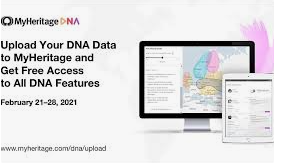
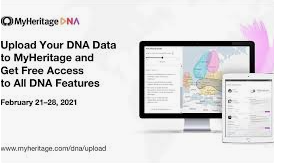
MyHeritage once allowed uploading raw data from other services, but as of now they no longer accept uploads. (MyHeritage) - Expanding non-DNA tools
The genealogical and storytelling side may get richer: more archival records, AI-driven record suggestions, and more immersive narrative tools.
In summary, MyHeritage DNA offers a strong, integrated platform for exploring ancestry: combining DNA testing, genealogy tools, historical records, and visual storytelling. Its strengths lie in affordability, regional resolution, and integration of genetic and archival data. But users must keep in mind the limitations of genetic estimates, issues of privacy and data security, and the dependency on the size of the matching database.
If you like, I can convert this into a version you could publish (with smoother transitions) or an executive summary. Do you want me to help with that next?